

This blog post is by guest author Keith Okrosy, Associate Director of Career Education at Hunter College
“Education is not preparation for life; education is life itself.”
― John Dewey
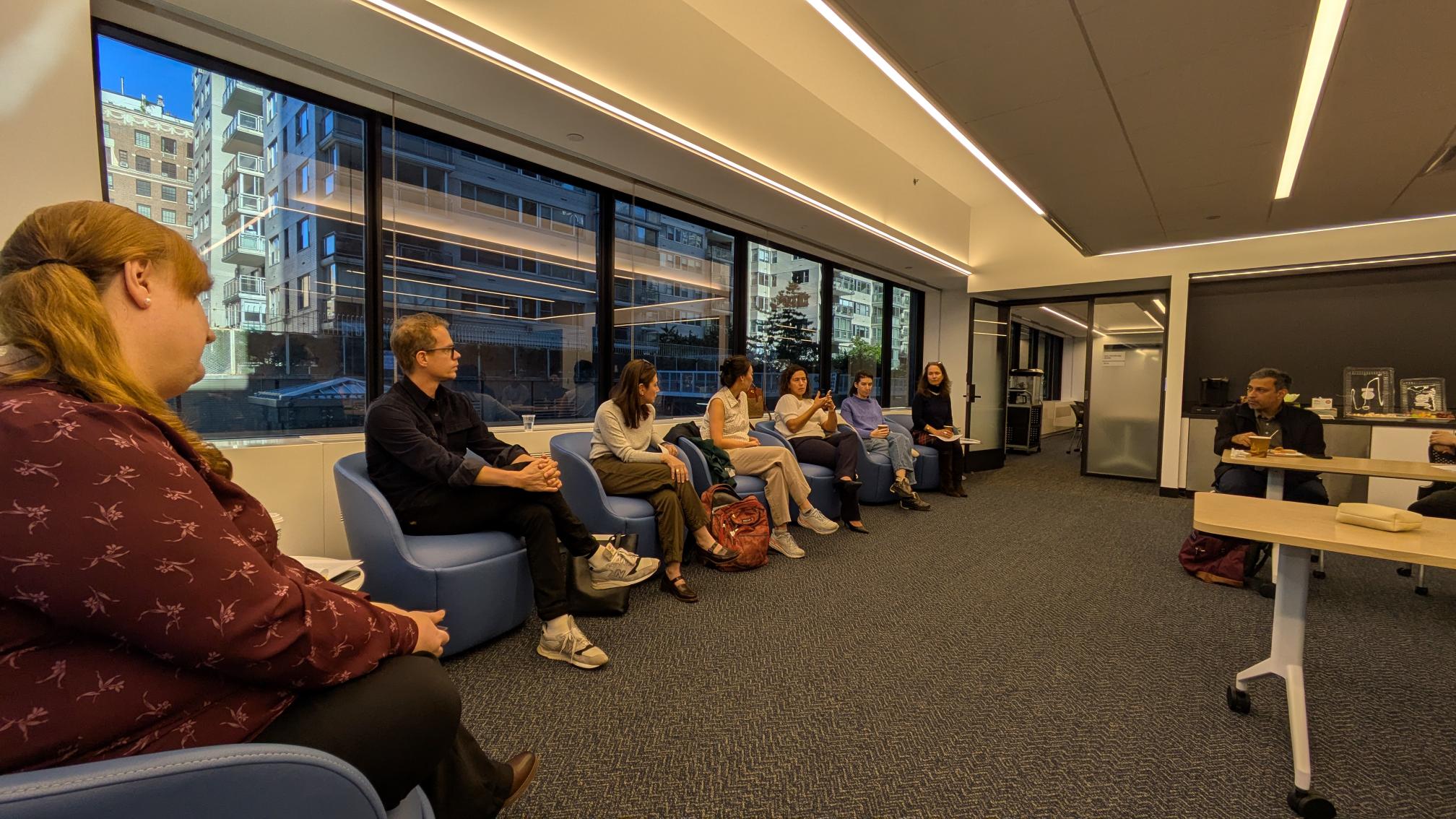
The Career-Connected Learning Seminar Series kicked off on Monday, October 19, 2026, with “Integrating Career Readiness,” an engaging discussion panel of faculty who have participated previously in the Faculty Career Fellowship and Curriculum Innovation Grant. We welcomed 15 new faculty members into the cohort at this event, providing a collaborative showcase of best practices in career-connected learning at Hunter College.
Connecting Classroom Learning to the Workforce
Communicating how the learning that happens in the classroom translates into future work experiences was an essential strategy for many faculty. Donna Paparella, English Dept., explained how NACE Competencies provide language to describe the transferrable skills that students are developing in her classes. Yuna Won, Philosophy Dept., described how to review your syllabus to identify where career-connected learning takes place. Identifying small syllabus changes, such as adding NACE competency statements, or career-connected learning objectives, can help students understand how their college experience prepares them for the workforce.
Building Professional Identities
The college journey is a transformational time for students. Faculty explained that the classroom is a model of the professional environment that provides opportunities for students to shape their identities as professionals. According to Dunia Garcia, Social Work Dept., we must demystify the career preparation that is baked into college education. Focusing on career-connectedness is an instructor’s opportunity to be intentional about this process of becoming and helping students build a bridge between college learning and life after graduation. Randye Rutberg, Geography and Environmental Science Dept., shared how she helps students see that the skills they are acquiring in college make them more qualified for jobs. She often finds that students are not confident in their capability to secure an opportunity, which is why she intentionally includes a resume, a cover letter, and LinkedIn assignments into her coursework, and invites industry professionals to come to campus to network with her students. This has helped students see themselves as future professionals and provides an opportunity for them to develop their career communications.
Classroom participation is also key to strengthening students’ career competencies. Rebecca Connor, English Dept., stressed the importance of the in-class experience. Giving more weight to participation, having face-to-face communications, and engaging students in writing exercises in class, with no devices, provides students with a space to practice forming and articulating their ideas. This engagement shows students that what they are doing at Hunter prepares them for what is required in the workforce.
Building Career Connections
Students also need support understanding the current employment landscape and building relationships with professionals within their fields of interest. Marcus Artigliere, School of Education, TESOL, explained that even in a professional degree program, students often have a hard time seeing what options they have with their teaching degree. Hunter certainly prepares students to enter the public-school setting, but there are many alternatives that exist that students could apply their skills to. Hosting a career panel consisting of industry professionals from various professions has given TESOL students insight into the various options that are available them and helped further solidify their understanding of the transferrable skills they are strengthening through their degrees.
Alyson Greenfield, Arts Management & Leadership, embeds industry professionals from across the creative fields into her curriculum. This has provided students with an opportunity to ask questions, learn about the challenges and changes in the arts management field, and see a variety of different roles they may never have been exposed to. Students will often do their internships with these professionals as they’ve already established a relationship through their classroom experiences.
And these activities don’t have to be developed alone. Many faculty collaborated with the Career Center for classroom visits, student support, career resources and tutorials, and help with event planning and employer connections. Using a cooperative approach to career-connected learning helps to scale the efforts and exposes students to a variety of resources and support.
Takeaways
The Integrating Career Readiness panel showed that career-connected learning is not an activity that exists outside the classroom but is deeply embedded into the curriculum. Communicating how students develop transferrable skills, engaging students in active learning, and connecting them with industry professionals all contribute to strengthening students’ potential—and their ability to recognize their potential and move forward with more confidence—as they navigate the workforce. Engaging in career-connected learning works best as a collaborative process, relying on campus and industry partners to support the creative work that’s happening in the classroom. Together, we can help students see that their college experience is not just a steppingstone to the real world, but it truly is the real world in action.
Panel Moderator: Gina Riley
Panelists: Donna Paparella, Dunia Garcia, Marcus Artigliere, Randye Rutberg, Rebecca Connor, Alyson Greenfield, Yuna Won


No comments yet.